Ancient Poltava region: the Bilsk hillfort, Hintsi and Cossack Hadiach
The Poltava region is rich in archaeological sites, and some of them are known far beyond Ukraine. If you want to look deep into the past, here are a few addresses.
The Bilsk hillfort
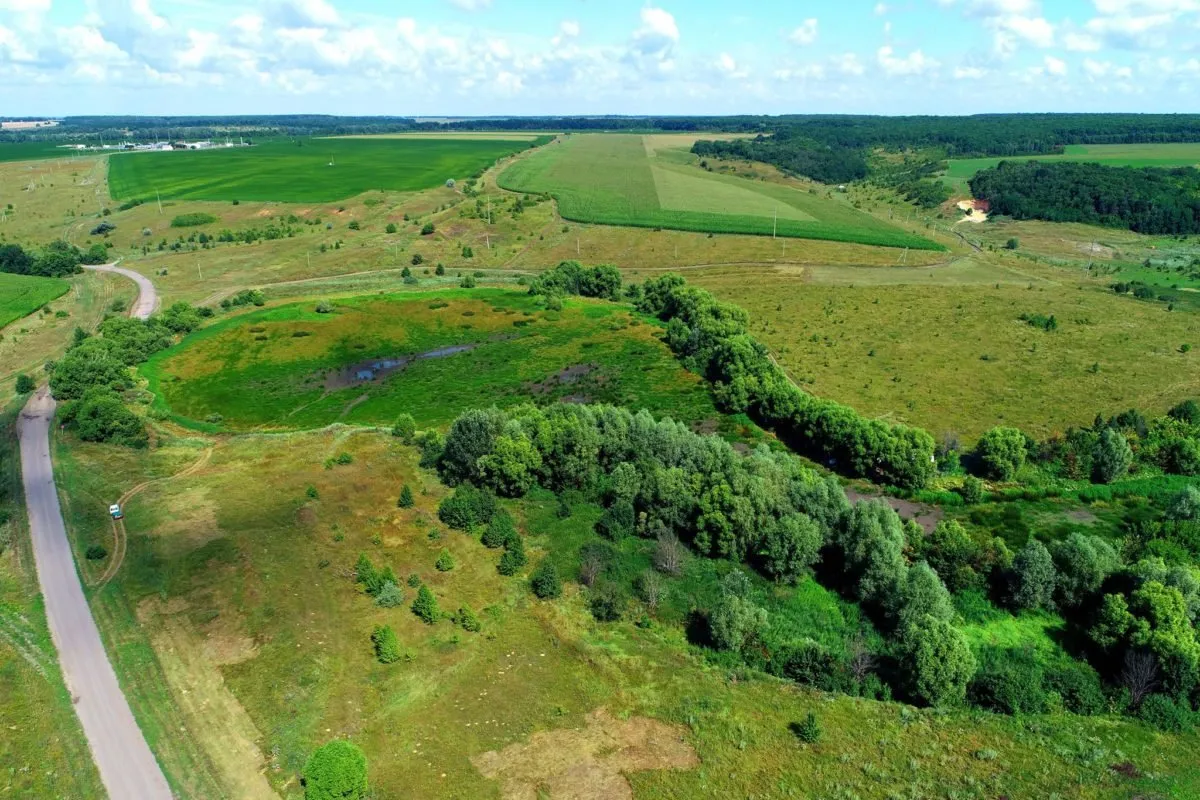
The Bilsk Historical and Cultural Reserve near Kotelva protects one of the largest hillforts of the Scythian era in Europe. Its ramparts stretch for many kilometres around a vast area where farmers, craftsmen and traders lived. Some researchers identify the Bilsk hillfort with Gelonus, a city described by Herodotus. Even without knowing archaeology, the scale alone is impressive: the ramparts are still clearly visible among the fields and woods.
Hintsi: mammoth hunters
The Hintsi site near the village of Hintsi dates from the Late Palaeolithic. Archaeologists found the remains of dwellings built of mammoth bones here, evidence of how people survived in the Ice Age.
Cossack Hadiach
Hadiach is an old Cossack town, known in history for the Treaty of Hadiach of 1658 between Hetman Ivan Vyhovskyi and the Polish-Lithuanian Commonwealth. Today you can go down into the 17th-century Cossack underground passages and visit the Hadiach Local History Museum and the Dormition Cathedral.
In Poltava
Archaeological finds from the whole region are on display at the Vasyl Krychevskyi Poltava Local History Museum. And in the city itself there is a place known as the Sanctuary of the Ancient Slavs.
Tip: Bilsk is easy to combine with Opishnia on our route “From the Poltava battlefield to Dykanka and Opishnia”, and Hintsi lies on the “Posullia” route in the Routes section. Digging or taking finds at archaeological sites is forbidden, as they are protected areas.