Manors and palaces of the Poltava region: Khomutets, Berezova Rudka, Dykanka
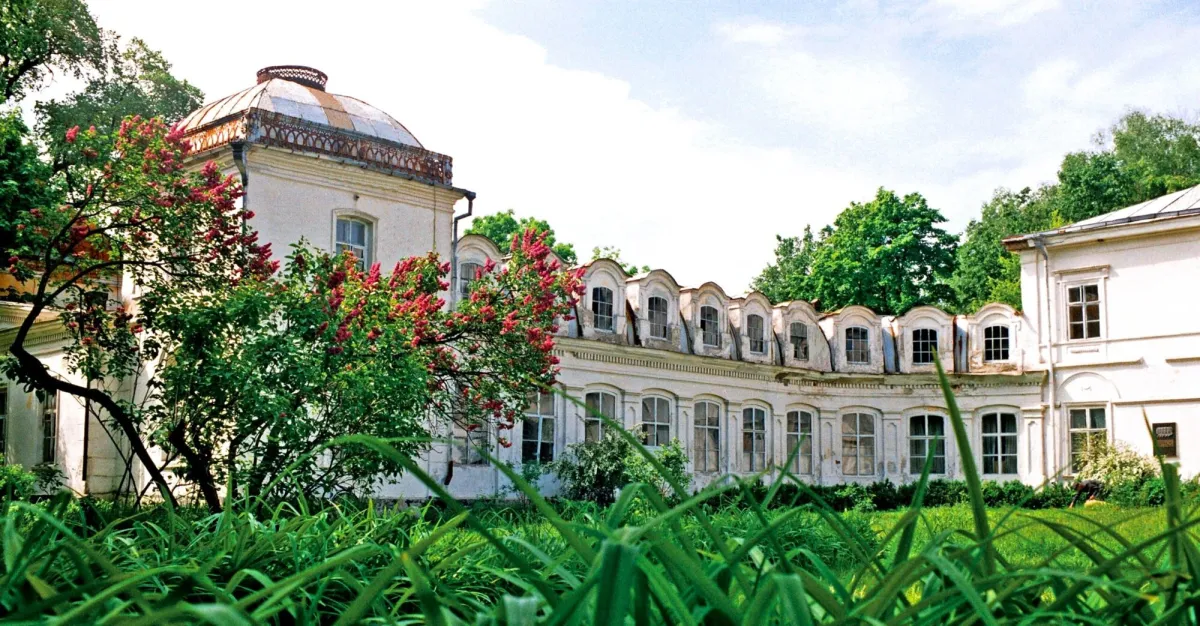
In the 18th and 19th centuries the Poltava region was a land of noble estates. Many did not survive the 20th century, but those that did are true gems, with palaces, old parks and stories linking the region to events across the empire.
Khomutets: the Muravyov-Apostol Palace
The Muravyov-Apostol Palace in the village of Khomutets near Myrhorod is a classicist landmark surrounded by a park. The Apostol family traces its origins to Hetman Danylo Apostol, and his descendants, the brothers Sergei and Matvei Muravyov-Apostol, took part in the Decembrist uprising. Khomutets is easy to combine with Myrhorod and Velyki Sorochyntsi.
Berezova Rudka: the Zakrevskyi estate
The Zakrevskyi estate in Berezova Rudka is one of the most beautiful in the Poltava region: a palace and a park with ponds and old trees. In the 1840s Taras Shevchenko, a friend of the Zakrevskyi family, stayed here. An unusual monument nearby is the Zakrevskyi family pyramid tomb, and the history of the village and estate is told by the Berezova Rudka Local History Museum.
Dykanka: the Kochubei legacy
Linked to the Kochubei estate in Dykanka are the Triumphal Arch at the entrance, St Nicholas Church and the Kochubei oaks, ancient trees that remember several centuries. Nearby is the Dykanka landscape park for walks.
Modern farmsteads
Today’s hosts continue the tradition of hospitable estates: in Dykanka guests are welcomed at the U Solokhy farmstead, and near Opishnia at the Staryi Khutir ethno village.
Tip: some estates belong to schools or local communities, so access inside may be limited; check in advance. Berezova Rudka is part of the “Posullia” route, and Khomutets is on the Myrhorod and Sorochyntsi route in the Routes section.