The Field of the Battle of Poltava: where the Great Northern War was decided
The Battle of Poltava is one of the best-known events of 18th-century European history. On 27 June (8 July, New Style) 1709, in the fields north of Poltava, the Russian army of Peter I defeated the Swedish army of King Charles XII. The victory became the turning point of the Great Northern War.
The Ukrainian side of the battle
For Ukraine, Poltava is above all the story of Hetman Ivan Mazepa. He allied with the Swedish king hoping to free the Hetmanate from Moscow’s rule. The defeat at Poltava destroyed those plans: Charles XII and Mazepa retreated to the lands of the Ottoman Empire, where the Hetman died the same year. Cossacks fought on both sides in this war, which is why today the battle is seen not as a “glorious victory” but as a tragic page of Ukrainian history.
What to see in the reserve
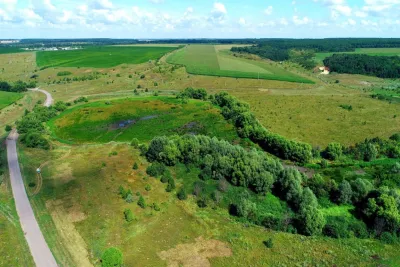
The Field of the Battle of Poltava State Historical and Cultural Reserve covers a large part of the battlefield. It has a museum of the battle with maps, weapons and objects of the period, a common grave of Russian soldiers, monuments on the sites of the fighting and a memorial to the fallen Swedes. Within the reserve stands St Sampson’s Church, named after St Sampson the Hospitable, on whose feast day the battle took place.
Nearby is another notable site, the grave of Mykola Sklifosovskyi. The eminent surgeon spent the last years of his life on his estate near Poltava.
Traces of the battle in the city
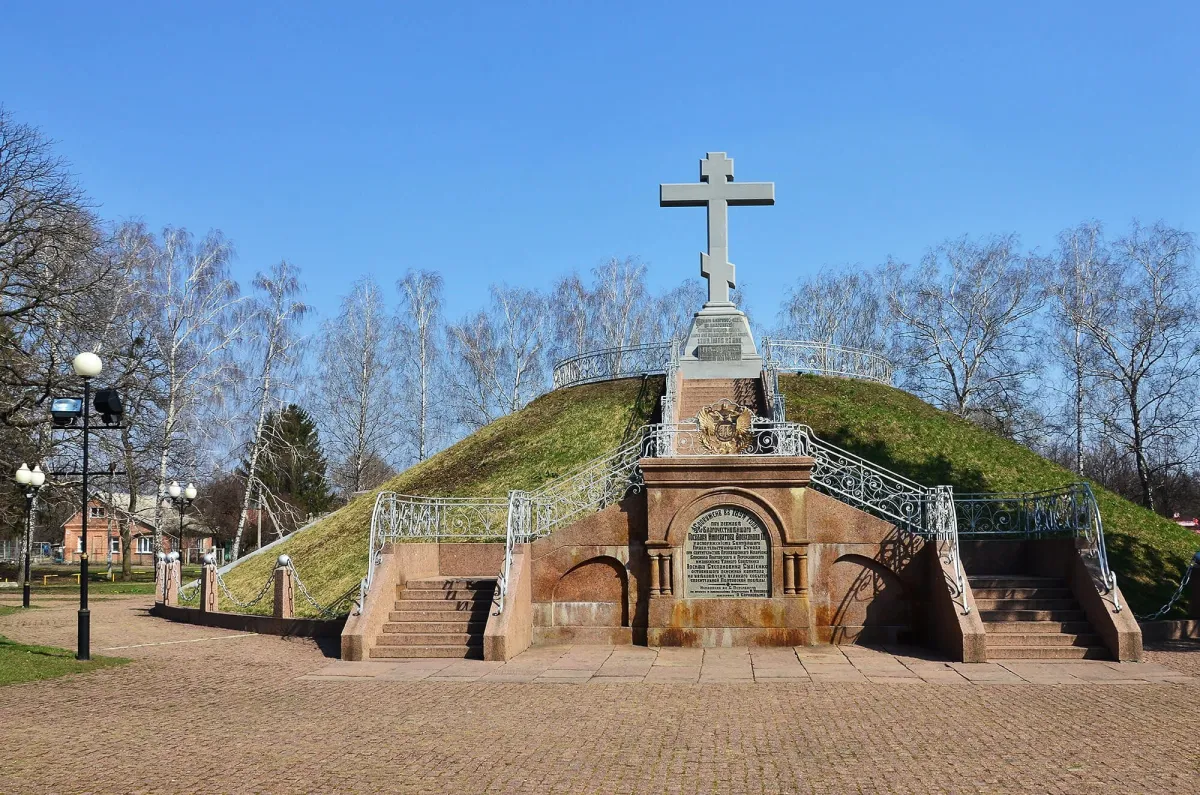
In the centre of Poltava the events of 1709 are recalled by the Monument of Glory in the Corps Garden on Round Square, erected for the centenary of the battle. In the 2010s a monument to Ivan Mazepa appeared in the city, a sign of how attitudes towards the Hetman have changed.
Tip: the reserve is on the northern edge of Poltava and easy to reach by city transport or car. Allow at least two or three hours and check the museum’s opening hours before you go. The battlefield is the first stop of our route “From the Poltava battlefield to Dykanka and Opishnia” in the Routes section.