How the Kochubeis built an empire in the Poltava Region that burned to the ground
Based on: Poltavska Khvylia
“Poltavska Khvylia” has published a long feature on the Kochubei family, one of the wealthiest and most controversial families of the Poltava Region, whose history is closely tied to Dykanka.
Family legend traces the Kochubeis back to a Tatar named Kuchuk Bey, who was baptized under the name Andrii. The family’s best-known member is General Judge Vasyl Kochubei. When Hetman Ivan Mazepa became infatuated with his daughter Motria, his goddaughter, Kochubei took revenge by informing the tsar that the hetman was plotting treason. Peter I did not believe the denunciation, and in 1708 the judge was executed after torture. But just a few months later Mazepa went over to the Swedes, and the tsar returned all the estates to the family, adding confiscated villages as well.
Dykanka became the family’s main residence under Poltava Colonel Vasyl Vasyliovych Kochubei. The family reached its peak under his grandson Viktor Kochubei, a diplomat and the empire’s first minister of internal affairs, who received the title of prince. Under him, a hundred-room palace designed by Giacomo Quarenghi, with orangeries, was built in Dykanka, and the estate was declared indivisible, passing only to the eldest son.
The authors also tell of marriages of convenience between relatives, illegitimate children and the family dramas of later generations. The last owner of Dykanka, Prince Viktor Serhiiovych, was arrested after the 1917 revolution and emigrated. The palace, with the family archives and heirlooms, was looted and burned, and in the 1920s the ruins were taken apart for bricks.
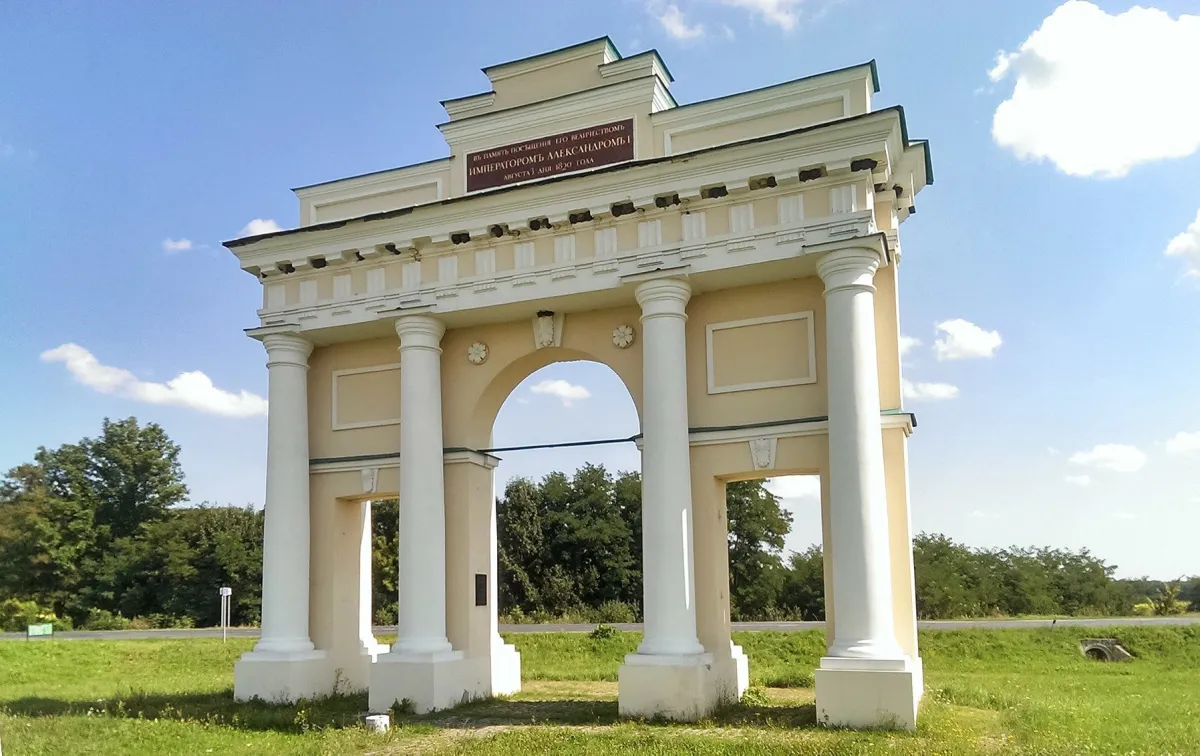
Today, the Kochubeis are remembered in Dykanka by the Triumphal Arch, St. Nicholas Church and old oak trees that locals call the Kochubei oaks.